Visibility in AI search engines is how often and how positively AI engines mention your brand. This metric differs from traditional search rankings. It requires a new strategy for LLM optimization.
Traffic from large language models and AI search engines increased 527% when we compare 2024 with 2025.
For years, the goal was simple: rank on page one, get the click. Zero-click search (AI delivers a direct answer without the user ever visiting a website) is the new normal thing. Users get what they need from the AI response itself without ever clicking on any website.
This creates a new question: where does your brand stand inside AI-generated answers?
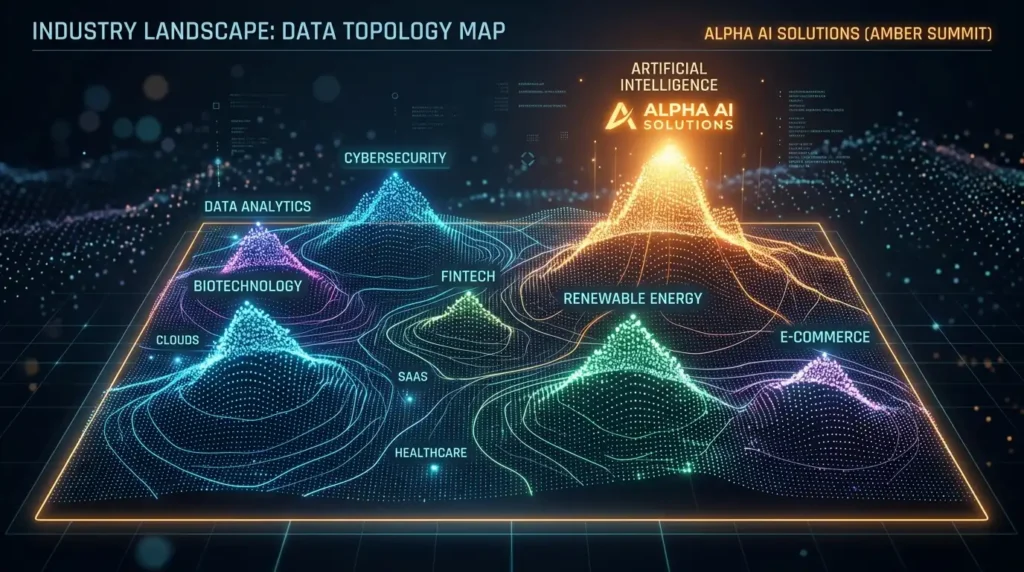
Table of Contents
Visibility in AI Search Engines: Then vs. Now
| Traditional SEO | AI Search |
|---|---|
| Rank for keywords | Get cited in AI responses |
| Earn clicks from SERPs | Influence zero-click answers |
| Build backlinks | Build branded mentions |
| Optimize page titles | Shape narrative across the web |
How Visibility in AI Search Engines Works
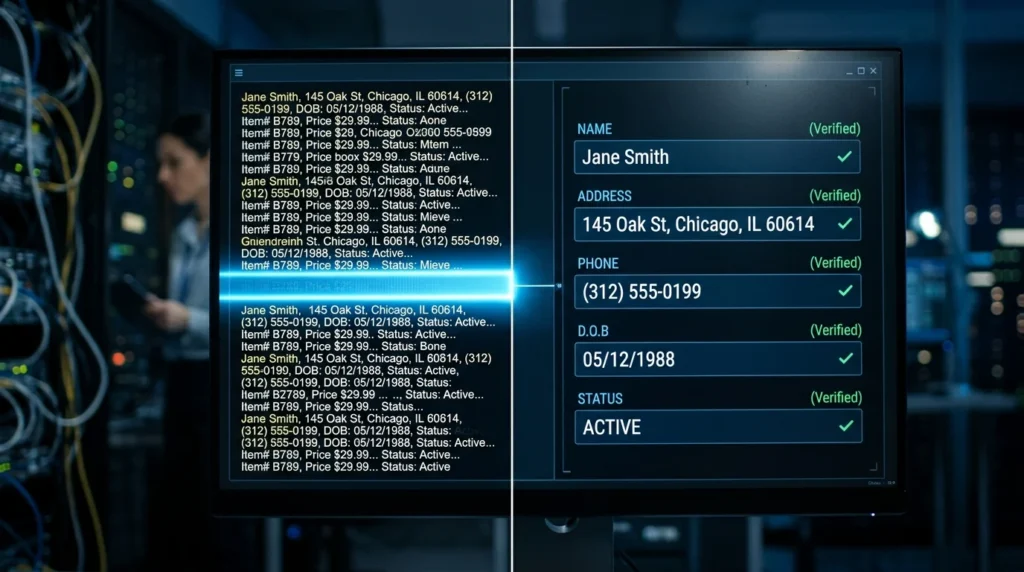
AI models do not think like the traditional Google crawler. Classic algorithms rewarded link equity by measuring the volume and authority of sites pointing to yours.
According to Ahrefs, branded web mentions carry a 0.664 correlation with visibility in Google AI Overviews, compared to just 0.218 for traditional backlinks.
| Signal | Correlation with AI Visibility |
|---|---|
| Branded web mentions | 0.664 |
| Traditional backlinks | 0.218 |
“Visibility, not raw referral traffic, is becoming the main currency of organic search.” — Kevin Indig, Growth Advisor and SEO Expert
When your brand appears authentically in Reddit threads, Quora answers, and niche community forums, AI engines interpret that as social proof, real people endorsing your credibility without any transactional motive.
A single editorial backlink from a high-authority domain now carries less weight than a genuine brand mentions across multiple independent platforms. This drastically improves Visibility in AI Search Engines.
Strategy 1: Primary Source with Original Research
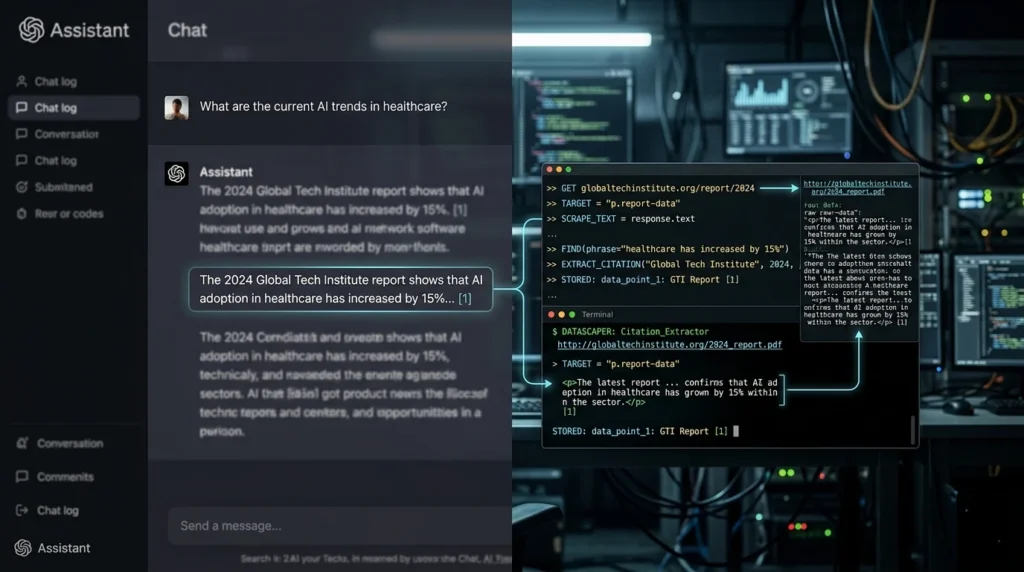
Original research is the highest-leverage move. AI systems aren’t just retrieving content, they’re grounding answers in verifiable facts. And they strongly prefer to pull those facts from primary sources.
The reason is straightforward: AI engines need credibility. When a large language model cites a claim, it’s staking its reliability on that source. Derivative content, roundups, paraphrased studies, “top 10” lists built on someone else’s data carries inherent uncertainty.
Original research and proprietary data are 5.7x more likely to be cited by AI systems than derivative or summarized content. — Content Marketing Institute (2025)
The Research-to-Citation Framework
Step 1: Mine your internal data. Most organizations are sitting on valuable datasets. Customer surveys, usage metrics, conversion benchmarks, support ticket trends.
Step 2: Package findings as standalone “fact nuggets.” AI models scan for discrete, attributable claims. Format your research as clearly stated statistics, not buried inside long paragraphs.
Step 3: Publish in AI-scannable formats. Structure matters as much as substance. The most AI-friendly data formats include:
- Numbered statistics with clear context (“X% of [audience] reported [outcome] in [year]”)
- Comparison tables that contrast findings across segments or time periods
- Defined methodology summaries that establish credibility and reproducibility
- Quotable conclusions stated plainly in the opening paragraph
Once your original data exists in a structured, findable format, the technical layer determines whether AI engines can actually read and attribute it. Which is exactly where the next strategy comes in.
Strategy 2: Technical Optimization for LLM Consumption
If the technical structure is broken, even brilliant content gets ignored. Gemini and Perplexity prioritize content that uses structured formatting and clear EEAT signals to verify brand authority.
Schema Markup
Schema markup is the language that converts your website into a recognized entity. Organization, WebSite, and BrandSchema tells crawlers your name, your niche, and your authority in machine-readable terms.
An Organization schema looks like this:
{
  "@context": "https://schema.org",
  "@type": "Organization",
  "name": "Your Brand Name",
  "url": "https://yourdomain.com",
  "sameAs": [
    "https://linkedin.com/company/yourbrand",
    "https://twitter.com/yourbrand"
  ],
  "description": "Clear, declarative statement of what your brand does."
}
The sameAs array connects your website to external profiles.
On-Page Structure for AI Answer Boxes
Declarative headings (those that directly answer a specific question) are the best way to squeeze in AI-generated responses. Structure content so each H2 or H3 poses a question your audience actually asks, then answer it within the first two sentences beneath that heading.
Formatting for LLM Readability
AI models parse clean, hierarchical content more reliably than dense blocks of prose. Practical structural signals include:
- Short paragraphs (3–4 sentences maximum)
- Bulleted summaries following longer explanations
- Bold key terms to signal topical relevance
- FAQ sections mirroring natural language queries
In practice, brands that align their page architecture with these signals give AI tools a faster path to extracting and surfacing their content as a trusted answer.
Strategy 3: Brand Mentions Across the Web
Visibility in AI Search Engines also depend heavily on what’s being said about you outside your own website.
According to research from Ahrefs and Minty Digital, AI models actively prioritize a brand’s digital footprint across news sites, forums, and social media when determining which sources to surface.
Reddit and Quora Roles
Reddit and Quora have loads of real-world opinions, product comparisons, and recommendations. Unlinked brand mentions, your name appearing in a discussion thread without a link still registers as credibility signals.
Strategic PR
When a trusted news outlet covers you, that mention carries significant weight in training data hierarchies.
Do’s and Don’ts
Do’s and Don’ts for Off-Site Brand Presence:
- Do contribute genuinely helpful answers in relevant Reddit threads and Quora topics
- Do pitch original data to journalists as newsworthy stories
- Do monitor unlinked mentions and track sentiment across forums
- Do build relationships with niche community moderators and industry newsletter writers
- Don’t create fake accounts or astroturf community discussions
- Don’t rely solely on press release
- Don’t ignore negative community sentiment
Old Metrics vs. New AI Metrics
| Old Metric | New AI Metric |
|---|---|
| Share of Voice (SERPs) | Share of Model (AI responses) |
| Keyword ranking position | Citation frequency across AI platforms |
| Click-through rate (CTR) | Authority citation rate |
| Branded search volume | Brand mentions in AI-generated answers |
| Backlink count | Corroborating source diversity |
What to Actually Track
Regularly query ChatGPT, Perplexity, and Gemini with category-level prompts, “best tools for X” or “top brands in Y”, and log where your brand appears, how it’s described, and which sources are cited alongside it.
Perplexity recommends focusing on EEAT signals and content clusters to maintain visibility as a cited authority.
Key Takeaways
- Numbered statistics with clear context (“X% of [audience] reported [outcome] in [year]”)
- Comparison tables with findings across segments or time periods
- Defined methodology summaries
- Quotable conclusions stated plainly in the opening paragraph
- Short paragraphs (3–4 sentences maximum)
Read more from GenAIToolsAcademy:
Comments (1)
AI Music Generatorsays:
May 9, 2026 at 4:07 amI hadn’t realized how much zero-click searches are changing the landscape for brand exposure. The points on research-to-citation and formatting content for AI readability really clarify how brands can actually get noticed in AI-generated answers. It’s a helpful reminder that traditional SEO metrics aren’t enough anymore.