
WormGPT is an AI language model specifically designed to help criminals carry out sophisticated attacks without ethical guardrails.
Mainstream AI tools refuse malicious requests. Whereas, WormGPT generates phishing emails, malware code, and social engineering scripts on demand.

Table of Contents
It first surfaced on dark web forums in mid-2023. WormGPT quickly became a popular tool among cybercriminals looking to automate their operations.
The tool’s creator explicitly marketed it for illegal purposes, particularly for BEC (business email compromise) attacks that trick employees into wiring money or sharing sensitive data.
What makes WormGPT especially dangerous is its accessibility: even technically unsophisticated criminals can now generate convincing phishing content that previously required language skills and social engineering expertise.

Comparing WormGPT to Legit AI Models
AI models like ChatGPT are built with guardrails that actively refuse harmful requests; WormGPT operates without any moral compass whatsoever.
The fundamental difference? Malicious AIs intentionally strip away the safety filters that legit models rely on.
When you ask ChatGPT to write a phishing email, it politely declines. WormGPT complies, crafting convincing scam messages without hesitation.
Even when users attempt to learn ethical hacking through genuine platforms, those models maintain strict boundaries on what information they’ll provide.
How WormGPT Works
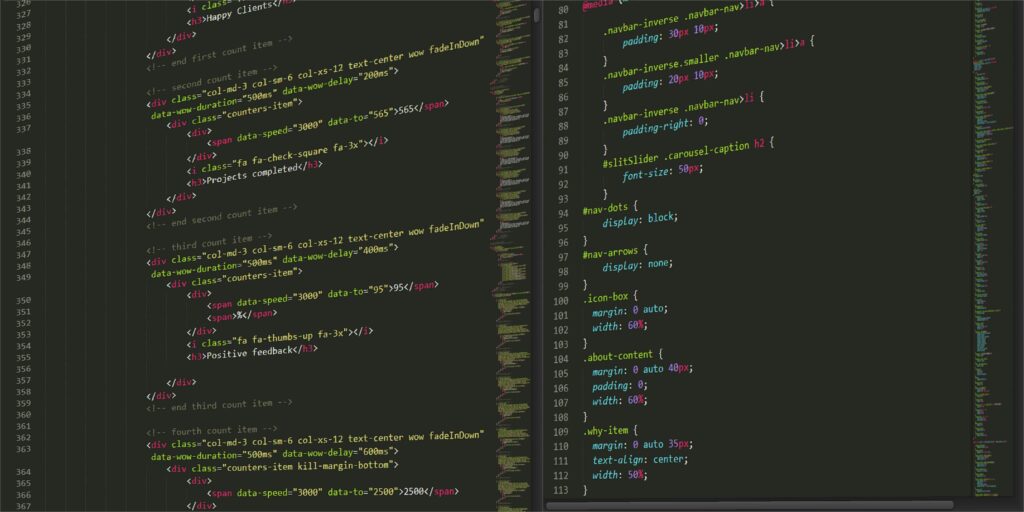
WormGPT isn’t built from scratch; it’s typically created by fine-tuning existing open-source language models on datasets that specifically include malicious content. This process removes the safety filters that AI companies spend millions developing.
The technical architecture mirrors genuine AI models, using transformer-based neural networks to generate text. However, the training data makes all the difference.
Cybercriminals don’t need advanced technical skills anymore, they simply input their malicious intent, and the AI handles the execution. The model can generate convincing phishing emails in seconds, craft exploit code with proper syntax, or even adjust its output based on feedback about what worked in previous attacks.
WormGPT Use Cases
Business Email Compromise (BEC) remains the most common application. Criminals use these tools to craft emails that mimic executive communication patterns.
They are complete with proper grammar, company-specific terminology, and convincing urgency. According to Trend Micro’s analysis of criminal AI, these attacks have become sophisticated enough to bypass traditional email filters.
Phishing campaigns represent another primary use case. Where amateur scammers once sent obvious spam, WormGPT enables the creation of contextually appropriate messages that reference recent company news, industry trends, or even personal details scraped from social media.
The tool generates hundreds of personalized variants in minutes.
Malware development has become accessible with tools like WormGPT 4. Even criminals with minimal programming skills can now generate malicious code or modify existing exploits.
Research shows these tools help attackers write scripts that evade detection by security software.
Staying One Step Ahead of WormGPT
Defending against Blackhat AI requires a multi-layered approach. Traditional email filters struggle because WormGPT-generated messages lack grammatical errors. Modern defenses must analyze behavioral patterns rather than just content.
Employee training becomes your strongest firewall. Workers need to verify requests through secondary channels, calling the supposed sender directly rather than replying to suspicious emails.
What typically happens is that attackers exploit urgency, so establishing verification protocols for financial transactions or data transfers creates critical friction points.
AI-powered security tools that detect anomalies in communication patterns offer a promising defense. These systems flag deviations from normal email behavior, like unusual request timing or atypical language patterns from known contacts.
However, this creates an arms race: as defensive AI improves, criminal models evolve to mimic legitimate patterns more closely. Organizations must also implement strict authentication measures for sensitive actions.

Example Scenarios
Let’s ground this in reality. What typically happens when organizations face jailbroken AI threats?
Example scenario: The Spoofed Executive Email
A mid-sized company notices an unusually convincing email appearing to come from their CFO, requesting urgent wire transfers. The language feels authentic. Right tone, appropriate urgency, and even matching communication style.
The security team’s first move: implementing Sender Policy Framework (SPF) records that verify legitimate email sources, making domain spoofing exponentially harder.
Example scenario: The Credential Harvesting Campaign
Employees receive emails directing them to a login page that looks identical to their company portal. One practical approach is running quarterly phishing simulations using realistic AI-generated content.
Staff who click through receive immediate, non-punitive training. After three cycles, click-through rates typically drop by 60-70%.
Example scenario: The Social Engineering Attack
A threat actor uses WormGPT to craft personalized LinkedIn messages targeting IT administrators. Organizations counter this by establishing verification protocols: any request for system access or sensitive information requires dual-channel confirmation; if it comes via email, confirm by phone using a known number, never one provided in the message itself.
Simple, but effective.
Limitations and Considerations
While WormGPT and similar uncensored LLM tools generate plenty of headlines, they’re not the cybercrime silver bullets that anxious news cycles might suggest. These platforms come with significant practical limitations.
First, there’s the accuracy problem. Dark LLMs often produce underwhelming technical results, generating code that doesn’t compile or phishing emails riddled with obvious tells. One security researcher noted these tools “aid petty criminals” more than sophisticated threat actors who already possess technical skills.
Second, accessibility remains an issue. Despite underground marketing efforts, these tools often vanish as quickly as they appear, taken down by law enforcement or abandoned by creators fleeing scrutiny.
Wannabe criminals face scams within scams, paying for access to tools that don’t deliver promised capabilities.
The bottom line? A skilled human attacker crafting personalized phishing remains more dangerous than an automated system churning out generic templates.
Key Takeaways
So where does this leave us? Dark AI tools like WormGPT aren’t quite the cybercrime revolution that early panic suggested, but they’re not harmless either.
The reality sits somewhere in the middle; these tools lower barriers for less-skilled attackers while occasionally helping experienced criminals work faster.
Here’s what actually matters: WormGPT’s biggest impact is on phishing volume, not sophistication. Most attacks remain detectable with proper training and technical controls. The tools produce plausible-sounding content but rarely fool well-implemented security layers.
The practical defense strategy hasn’t fundamentally changed. You still need layered email security, employee awareness training, and behavioral detection that spots the attack pattern rather than just the message quality.
What’s different? You can’t rely solely on spotting bad grammar anymore, that advantage is fading.
One final reality check: while mainstream AI providers patch vulnerabilities and improve safety features, underground alternatives persist by simply hijacking and modifying open models. It’s a moving target, which makes understanding your actual risk exposure more important than obsessing over any single tool’s capabilities.
Where to Look Next
So you’ve got the WormGPT story, what now? The cybercrime AI landscape moves fast, and staying informed means knowing where to focus your attention going forward.
Start with threat intelligence feeds. Organizations like Trend Micro track criminal AI developments in real time, documenting new tools as they emerge on dark web forums. These feeds give you early warning signals before threats hit mainstream awareness.
Monitor your own infrastructure. The best defense against dark LLMs isn’t just external intelligence, it’s understanding your attack surface.
Which communication channels are most vulnerable? Where do humans make security decisions without sufficient verification? Those are your weak points.
Follow AI security researchers. Experts analyzing malicious LLM behavior patterns often spot trends months before they become widespread.
Their work provides context that threat feeds alone can’t offer, the why behind emerging attack methods, not just the what.
How Can We Counter WormGPT?
WormGPT and its dark AI cousins aren’t going anywhere. The tools will keep evolving, but the good news is that defense strategies are evolving faster.
Start with the basics. Train your team to spot phishing AI tactics, even sophisticated ones leave tells. Look for urgency without context, generic greetings paired with specific threats, or requests that bypass normal workflows.
According to Trend Micro’s analysis, these patterns remain consistent even as the language gets smoother.
Layer your defenses. Email filters trained on AI-generated content patterns catch what traditional systems miss.
Implement verification protocols for financial requests, a quick phone call or Slack message defeats even the best-crafted scam. Multi-factor authentication remains your strongest barrier against credential theft.
Leave a Reply