
Table of Contents
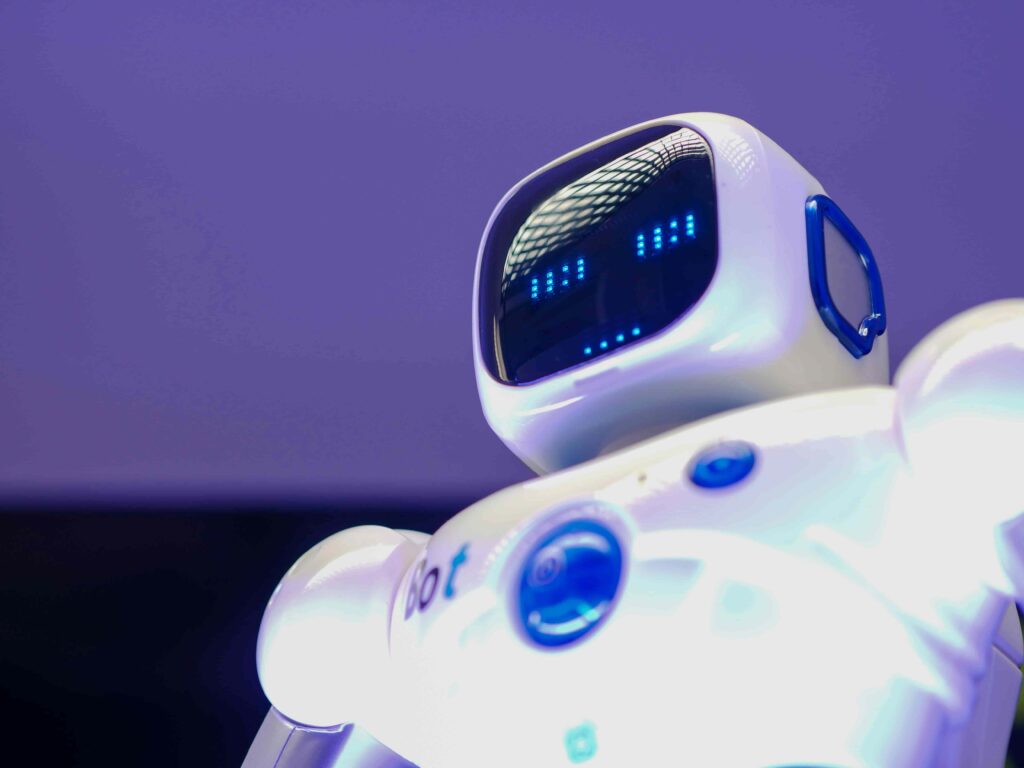
China’s Humanoid Robot Advancements
On February 28, China’s Humanoid Robot and Embodied AI Standardization (HEIS) Annual Conference unveiled the country’s first comprehensive standard system for humanoid robots.
According to IDTechEx’s research on humanoid robots, Chinese manufacturers are pursuing a fundamentally different approach than that of American and Japanese manufacturers.
Rather than perfecting prototypes in controlled environments, Chinese companies are deploying earlier-stage robots in real industrial settings to accelerate learning cycles.
The latest humanoid robot news highlights several Chinese firms producing units at scale. Some manufacturers are already discussing production runs in the thousands.
Key insight: China’s advantage isn’t necessarily superior AI or mechanics, it’s the willingness to deploy imperfect systems quickly and learn from real-world failures.
Tesla’s Optimus Robot
The company claims its robot will eventually cost less than a car, targeting a price point around $20,000-$30,000 for mass production. That’s cheaper than Boston Dynamics’ Atlas or most industrial robots.
The company’s vision-based approach to robotics shows how it handles autonomous vehicles using cameras and neural networks rather than expensive LIDAR systems.
However, Optimus faces skepticism from robotics experts. The real question isn’t whether Optimus will work, but when. Tesla’s timeline projections have been optimistic.
If the company can deliver even 70% of its promised capabilities at the promised price point, it could genuinely revolutionize access to humanoid robotics for businesses and eventually households.
Embodied AI
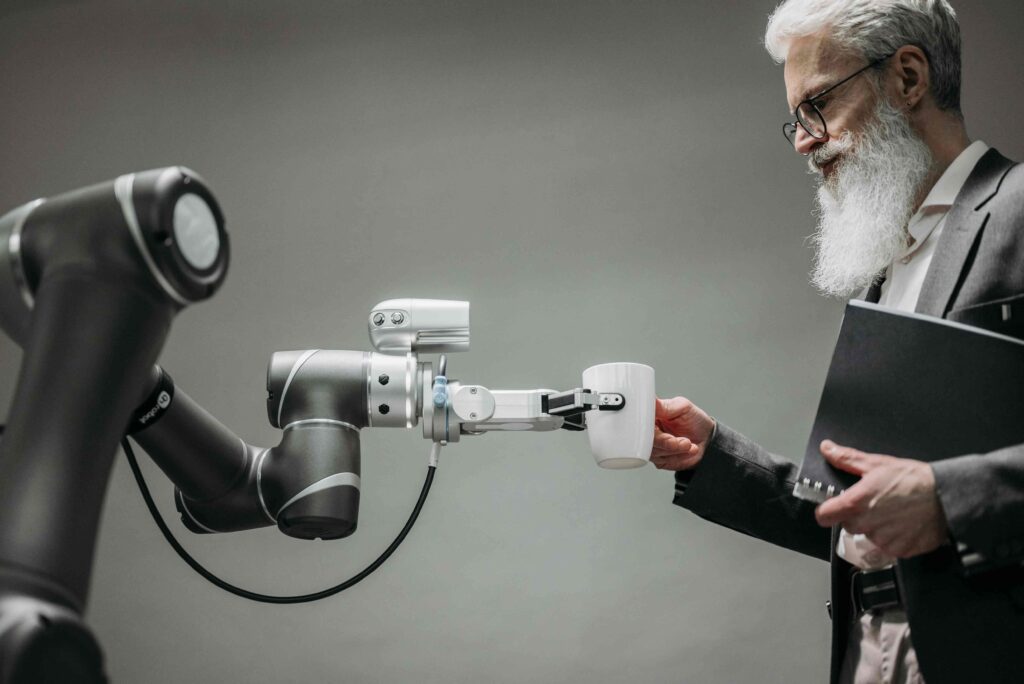
Embodied AI allows robots to perceive, learn from, and physically interact with the real world. Think of it this way: a chess-playing AI only needs to understand a board with fixed rules.
According to The Robot Report’s 2026 industry analysis, embodied AI integrates computer vision, tactile sensors, and predictive models to create robots that can “understand” their physical context.
This means robots learn from every interaction, gradually improving their ability to handle tasks like folding laundry or assembling components.
However, challenges remain significant. Training embodied AI systems requires massive datasets of physical interactions, data that’s expensive and time-consuming to generate. As we’ll see next, these technical hurdles directly impact when consumers might actually encounter these robots in everyday life.
Humanoid Robots in the Consumer Market
Current pricing keeps consumer adoption limited to wealthy early adopters. The Robot Report’s industry analysis indicates most humanoid robots carry price tags exceeding $50,000. However, companies are exploring leasing models that could make robots more accessible within 2-3 years.
Unlike vacuum robots that stay mostly hidden, humanoid robots must navigate shared spaces alongside children and pets. What typically happens is consumers remaining hesitant about general-purpose humanoids that trigger uncanny valley responses.
Consumer expectations also clash with current capabilities; people envision sci-fi helpers, but today’s robots struggle with basic household variations, such as different floor surfaces and lighting conditions.
Lunar New Year Showcase
China’s humanoid robots starred in the CCTV Spring Festival Gala on February 16, with firms like Galbot and UBTech deploying in factories and logistics.
China shipped 90% of the world’s ~13,000 humanoid robots last year, with sales to exceed 100,000 this year.
According to IFR’s robotics trends analysis, China now accounts for roughly 52% of global industrial robot installations. Chinese manufacturers are pricing aggressively ($30,000-$50,000), roughly half the cost of Western equivalents.
Videos circulating online showed several robots struggling with uneven surfaces during outdoor parades. The message from China is clear: they’re moving fast on hardware accessibility, even if the software still has catching up to do.
Tesla Robotics
Tesla’s Optimus robot, first unveiled in 2022, remained largely confined to controlled demonstrations within Tesla facilities rather than widespread deployment.
Elon Musk had previously said Optimus would handle repetitive factory tasks by early 2026, but no verified third-party deployments materialized during the month.
Key Players
According to The Robot Report’s State of Robotics Industry Report 2026, Chinese manufacturers controlled approximately 40% of global humanoid robot shipments by early 2026.
North American players focused on premium positioning. Figure AI and Apptronik pursued enterprise contracts with logistics giants. The International Federation of Robotics noted that American companies prioritized advanced AI integration over rapid scaling.
Europe focused on safety-first designs built for shared factory work. However, the market stayed fragmented, which made it hard for consumer humanoid robots to grow there.
Limitations in Robotics
Current production expenses range from $150,000 to $250,000 per unit, far exceeding the economic threshold for widespread adoption. However, analysts project costs could drop to $30,000-$50,000 by 2030 as production scales.
Safety certifications for human-robot collaboration environments also create delays. What typically happens is that manufacturers must navigate international standards, extending time-to-market timelines by 12-18 months in many jurisdictions.
These limitations suggest humanoid robots will initially excel in controlled industrial environments rather than unpredictable domestic settings.
FAQs About Humanoid Robots
What distinguishes advanced humanoid robots from earlier versions?
Robots like the 1X Neo robot represent a shift from programmed machines to adaptive systems powered by artificial intelligence. Unlike earlier generations, humanoids learn from demonstration and environmental interaction.
How much do humanoid robots currently cost?
Commercial humanoid robots typically range from $150,000 to $250,000 per unit. However, industry projections suggest costs could fall below $30,000 within five years as manufacturing scales and component standardization increase.
Can humanoid robots work safely alongside humans?
Advanced models have multiple sensors for collision detection and force-limiting mechanisms that prevent harmful contact.
Leave a Reply